










RSS New Products Feed
Home Parade

History of Gift Giving

HISTORY OF GIFT GIVING

Since the dawn of time people have been giving gifts. People in early civilizations gave gifts to their tribal leaders and each other to show loyalty and love. They used bark and wood from the trees, and reeds to fashion unique objects as gifts. Gift giving has always been reciprocal.

In ancient Rome, gifts were exchanged during the New Years celebrations. At first these gifts were simple, such as a few twigs from a sacred grove and food. Many gifts were in the form of vegetables in honor of the fertility goddess Strenia. Romans exchanged gifts at winter solstice as expressions of affection and brotherhood, giving coins for prosperity, pastries for happiness, and lamps to light one's journey through life.

In Christian culture, the giving of gifts is said to symbolize the gifts the Wise Men brought to the baby Jesus. As Christianity spread into different cultures and through time, various customs and traditions developed around giving gifts at Christmas. In Germany, the Christ Child was said to bring small presents on Christmas Eve. Among the Dutch, it was St. Nicholas who brought gifts to children on December 6, the eve of his feast. The practice of gift-giving at Christmas was firmly established in the 19th century when the traditions of the Christ Child ("Christkindl") and St. Nicholas ("Sinterklass") became anglicized into one - Santa Claus.

There are many worldwide gift traditions. In Egypt, pyramids were built to honor the pharaohs. In the medieval age, gifts were given to kings to gain personal favor or allegiance in a war. Most of those gifts were silver and gold and jewels. Gifts were also given to a beloved one or used as dowries for betrothals, which could include a herd of animals, or precious metals and jewelry.

Gift giving started in 1820’s in the US, advertising the concept began a year earlier. By 1920, advertisements for holiday gifts began to appear a full month before Christmas with persuasive copy urging shoppers to choose gifts that will please. Advertisers have done their job well. They have convinced us of the importance of gift giving at holiday time…for better or for worse, for ourselves and the environment.

Today we give gifts for a millions of reasons. Presents are given at cultural religious occasions and seasons. We give gifts for birthdays, holidays, farewells, good luck, to show love, to say thank you, to welcome, and “just because”. We give presents to family members, friends, co-workers, neighbors.

Gift giving has symbolic meaning in nearly every culture from allcorners of the globe for as long as mankind has existed. From thefirst time a father gave his child a carved doll to the gold ring given to a bride, gift giving symbolizes many things: love, respect, sympathy, flattery and appreciation.
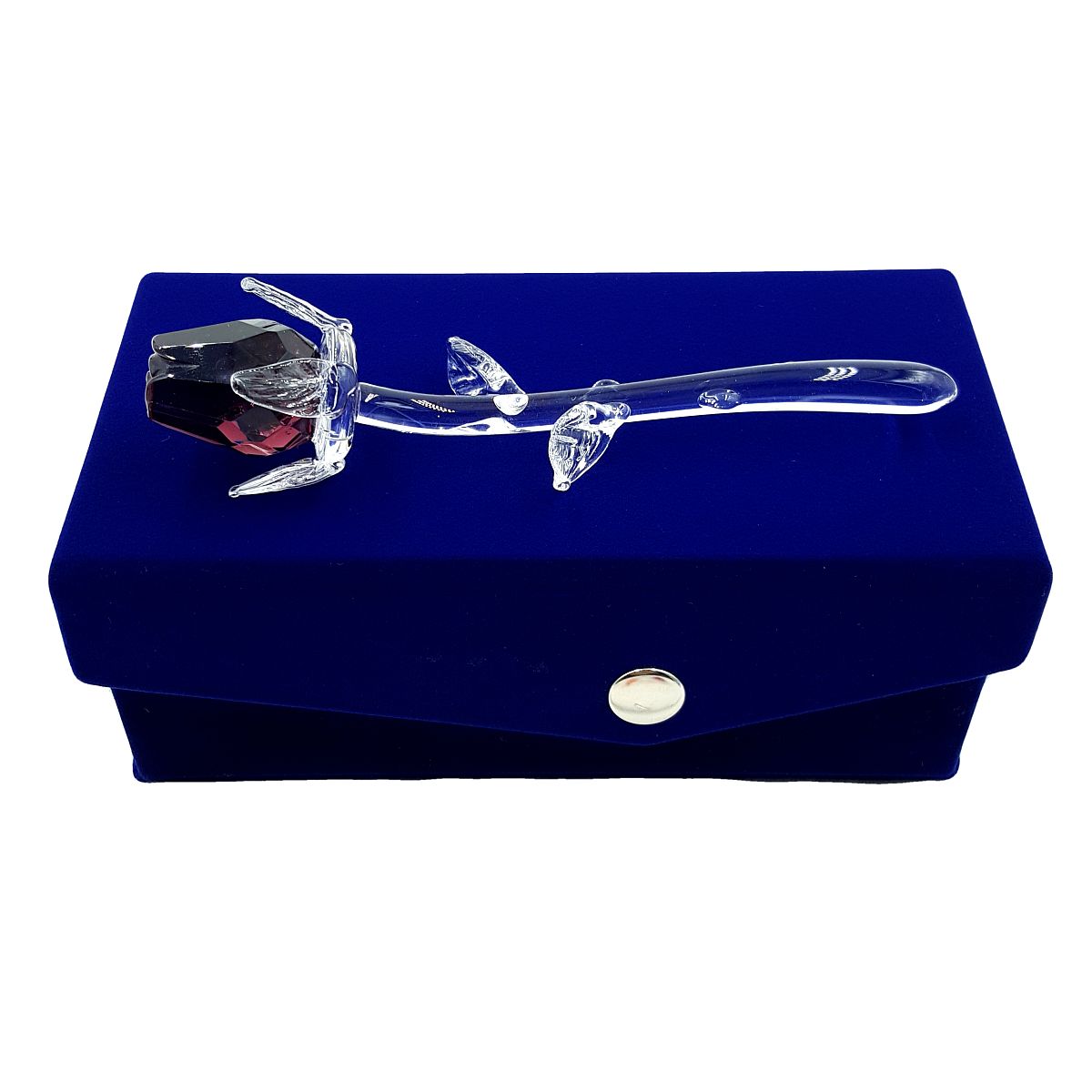
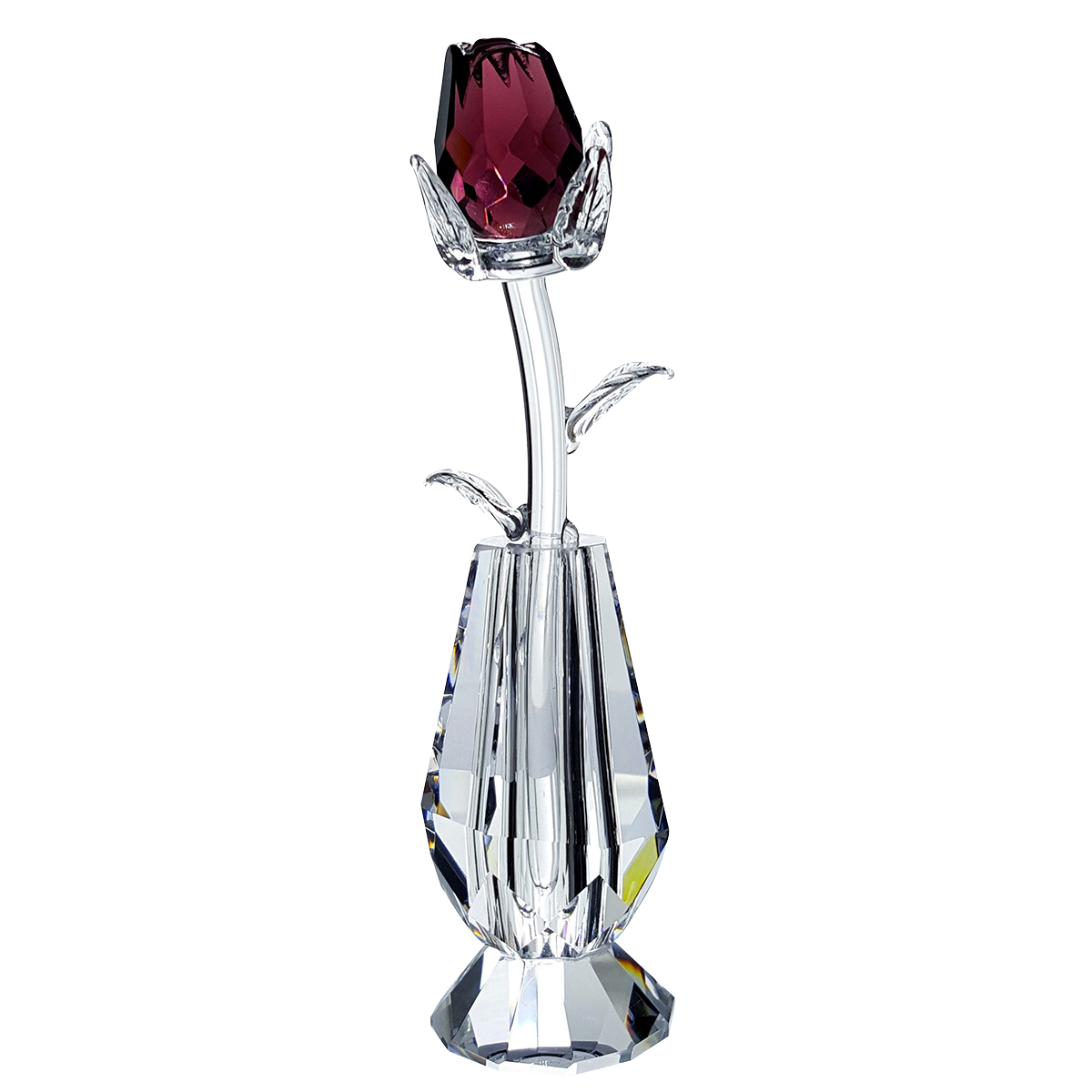
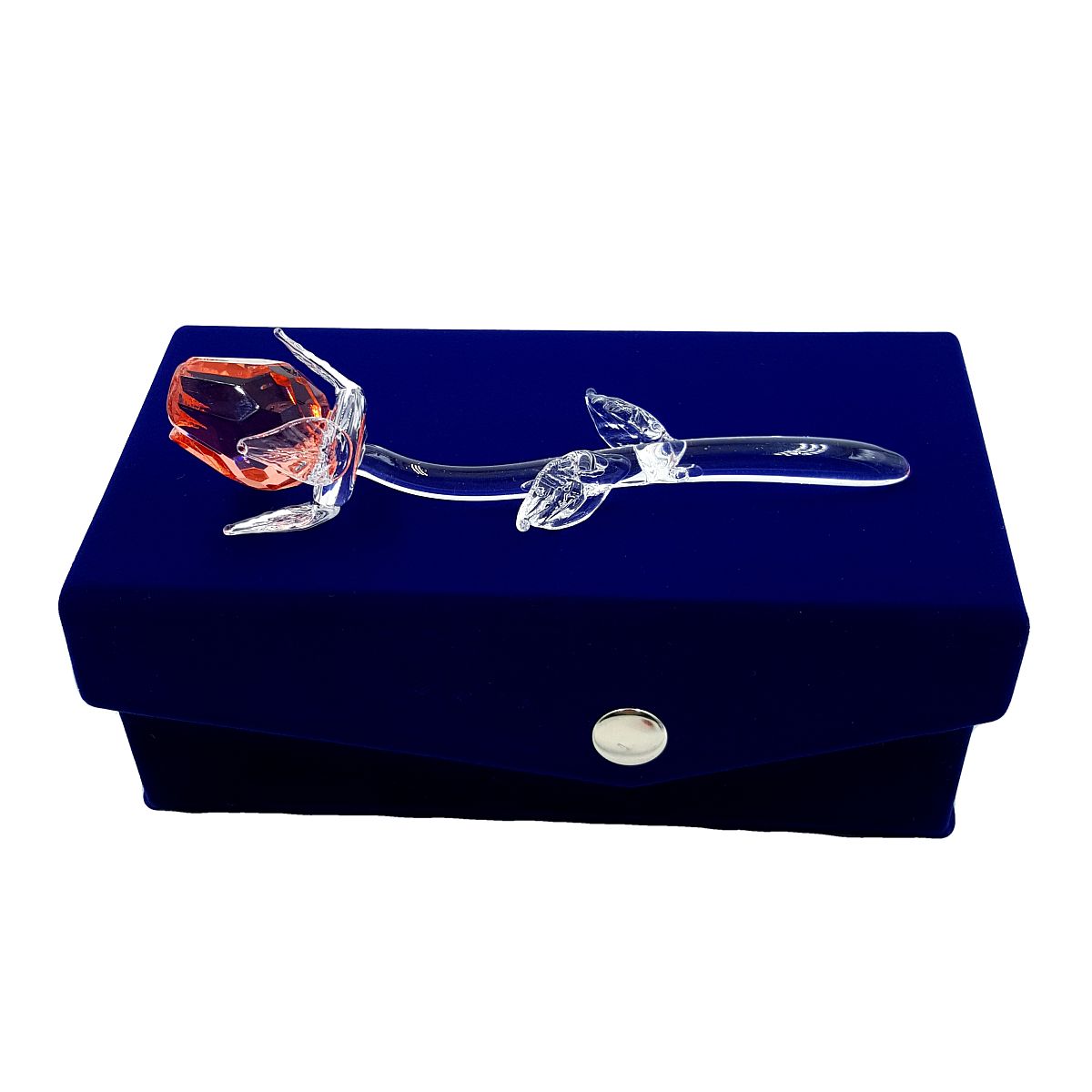
Ancient Greek mythology gives credit to the goddess of love Aphrodite, as the original bearer of the classic gift of love, a rose to Eros, the god of love. Such symbolism has pervaded the giving of flowers as gifts for centuries and although the symbolic meaning of many flowers is lost the act of giving flowers has never waned.


Another famous bearer of gifts was the Queen of Sheba who notably gave the richest king of his time, King Solomon, a lavish gift of gold, balsam oil and precious stones in exchange for his wisdom. The gold alone was worth more than 46 milliondollars in today's money.


Japanese people are well known for their graciousness and this extends to the common act of gift giving. In Japan the presentation of a gift is as of much importance as the gift itself. Showing respect to the receiver, even small tokens areoften wrapped with great care and attention. Accepting gifts is an act of extreme appreciation on the part of the receiver and humility from the giver, presented and accepted in both hands.
Receiving a gift is part of the gift-giving process. Giving a gift makes the giver feel good. Making someone else’s life richer rewards the giver with a feeling of achievement and caring, especially if the recipient shows gratitude and appreciation. Many times, this is why we wish to be the gift giver rather than the recipient, but receiving is important in this reciprocal practice of gift giving.

Secure